Explore Canglang Pavilion: Suzhou’s Oldest Classical Garden
Nestled in the heart of Suzhou city, Canglang Pavilion, also known as the Pavilion of the Surging Waves, stands as a serene testament to ancient Chinese philosophy and artistry. Its origins can be traced back over 960 years, offering a more contemplative and historically profound experience compared to Suzhou city’s other renowned gardens.
Unlike many classical Chinese gardens, Canglang Pavilion Garden masterfully blurs the line between its crafted interior landscape and the natural world outside, creating a unique harmony that has captivated scholars, poets, and visitors for centuries.
Suzhou Canglang Pavilion Facts
What to See & Do at Canglangting Garden
A visit to Canglang Pavilion, one of Suzhou’s oldest gardens, is a journey through layered landscapes and Suzhou’s history. Here are the highlights you must explore.The Iconic Double Corridor & Lattice Windows
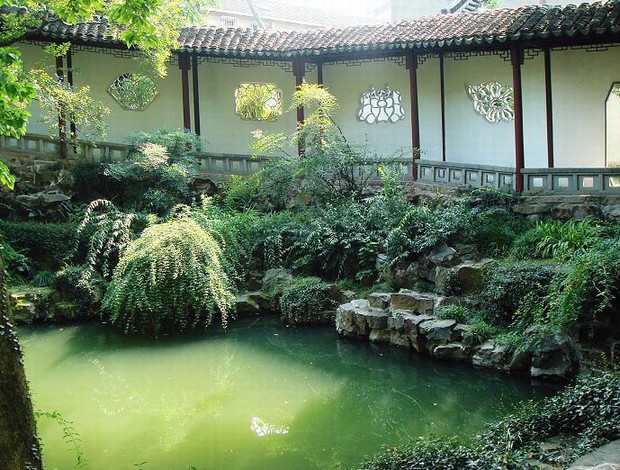
This place is the garden’s architectural masterpiece. The over-100-meter-long covered walkway snakes along the northern edge, physically and visually connecting the interior with the external canal.
Its famed wall is punctuated by 108 latticed windows, each with a unique, intricate design. The 108 floral latticed windows feature entirely unique patterns, with four motifs—crabapple blossoms, lotus flowers, pomegranate blossoms, and winter jasmine—representing the four seasons. This masterpiece epitomizes the pinnacle of Chinese architecture’s aesthetic tradition, where “scenery is created through windows.”
When you are strolling, the view outside constantly changes, framing bamboo, rockeries, or water in a living picture scroll—a perfect example of “scenery changing with every step.”The Canglang Pavilion
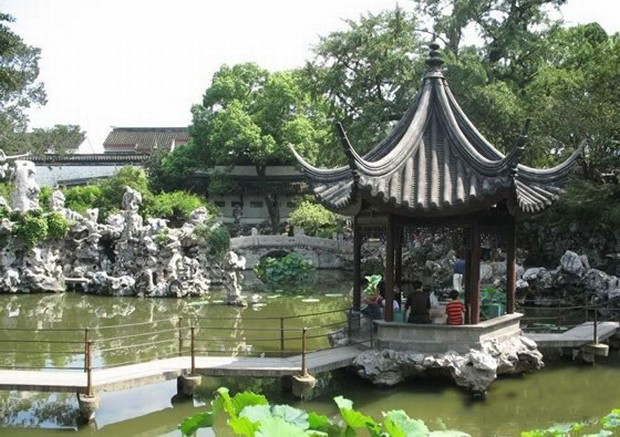
Perched atop the garden’s man-made earth and stone mountain, the square Canglang Pavilion offers the best panoramic view. Originally built by the Song Dynasty scholar Su Shunqin, the pavilion was initially situated on Beiqui Hill. In the thirty-fourth year of the Kangxi reign during the Qing Dynasty, Provincial Commissioner Song Long relocated it to this mountain ridge.
Here, the pavilions towering atop the artificial ridge, with their soaring stone pillars and high-pitched eaves, radiate ancient splendor and majestic grandeur. The entire mountain is cloaked in ancient trees, with stone paths and sloping corridors winding through bamboo groves, banana trees, and shady thickets. The serpentine corridors follow the contours of the hillside, ascending to the middle level of the pavilion where the entire garden unfolds before your eyes.
In the past day, poets from different dynasties gazed upon the southern courtyard’s pastoral scenery from here, where water and sky met for miles. Deep within the garden, pavilions reflect in the shimmering emerald waters, while stone pillars inscribed with couplets add a unique charm to your tour.
Mingdao Hall (The Hall of the Enlightened Way)
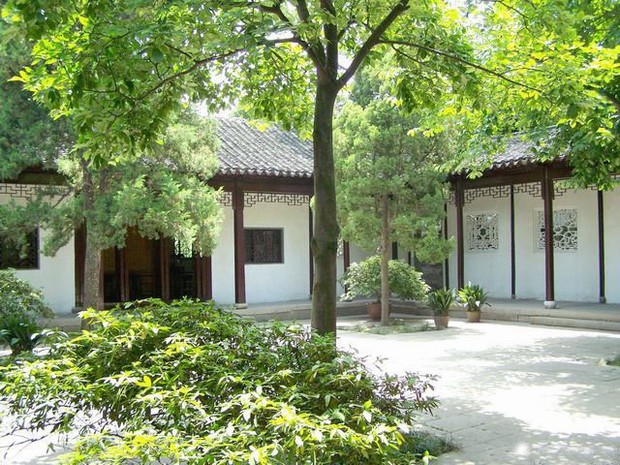
Mingdao Hall, located in the southeastern part of the artificial hill, is the main structure of Canglang Pavilion Garden. It was built up during the Ming Dynasty (1368-1644). Surrounded by verdant trees, it looks significant, though the structure is of simple architectural style.
Originally it was named Hanguang Hall; it was renamed after reconstruction in reference to Su Shunqin’s “Canglang Pavilion Record,” which states, “When one observes and listens without bias, the Way becomes clear.” Spanning three bays in width, the hall is spacious, solemn, and dignified, serving as a place for scholars of the Ming and Qing dynasties to lecture.
As the principal building, inside, you can find stone rubbings from the Song Dynasty, deepening the cultural atmosphere during your Suzhou tour.
>> Recommended One day Suzhou Highlight Tour
Cui Linglong (Bamboo Pavilion)
As with other Suzhou gardens, Canglang Pavilion’s central hill is not a stark pile of rocks but a lush, wooded mound covered with towering old trees and dense clusters of bamboo.Inside Canglang Pavilion Garden, Cui Linglong, also known as the “Bamboo Pavilion,” features three main chambers connected to several adjoining side rooms of varying sizes. Its name dates back to the early years of the Southern Song Dynasty’s Shaoxing era under General Han Shizhong, inspired by Su Zimei’s poem, “Autumn hues dimly redden the forest, Sunlight pierces through bamboo, emerald-clear and delicate.”
Surrounded by countless bamboo stalks swaying in the breeze, the area resembles a forest of tall bamboo. The bamboo shadows cast upon the whitewashed walls create a uniform green hue. It has long been a place where literati and scholars gather for elegant outings, quiet contemplation, poetry recitals, and painting.
The Shrine of Five Hundred Sages
There is a lesser-known but fascinating site within the Pavilion of the Surging Waves complex. The Five Hundred Sages’ Hall houses 594 stone portrait tablets of historical figures connected to Suzhou, offering you a deep dive into the region’s immense contribution to Chinese culture, politics, and arts.
How to Get to Pavilion of the Surging Waves
It’s easily reached by metro. You can take Suzhou Metro Line 4 or Line 5 to Nanmen Station then exit from Exit 3, and walk north for about 8-10 minutes.
Alternatively, you can also go by bus. There are numerous bus lines stop nearby, including 1, 5, 27, 30, 39, and so on, which alight at the “Canglang Pavilion” stop.
Travel Tips for Your Canglang Pavilion Visit
The best time to visit Canglang Pavilion is early morning or late afternoon from spring to autumn. The soft light filtering through the lattice windows and ancient trees creates magical shadows, ideal for photography and a peaceful atmosphere. It’s worth noting that mosquitoes are more prevalent in summer, so remember to bring mosquito repellent.
We recommend taking photos during the garden’s opening hours from 7:30 to 8:00 AM. You may wear a qipao and capture a series of pictures with Jiangnan charm at Cui Linglong (Bamboo Pavilion) or the middle section of the Double Corridor.
>> Learn more about Suzhou Weather